FILM REVIEW: Queer historical epic "La Bola Negra" wears its big heart on its sleeve
La Bola Negra is a film that aches.
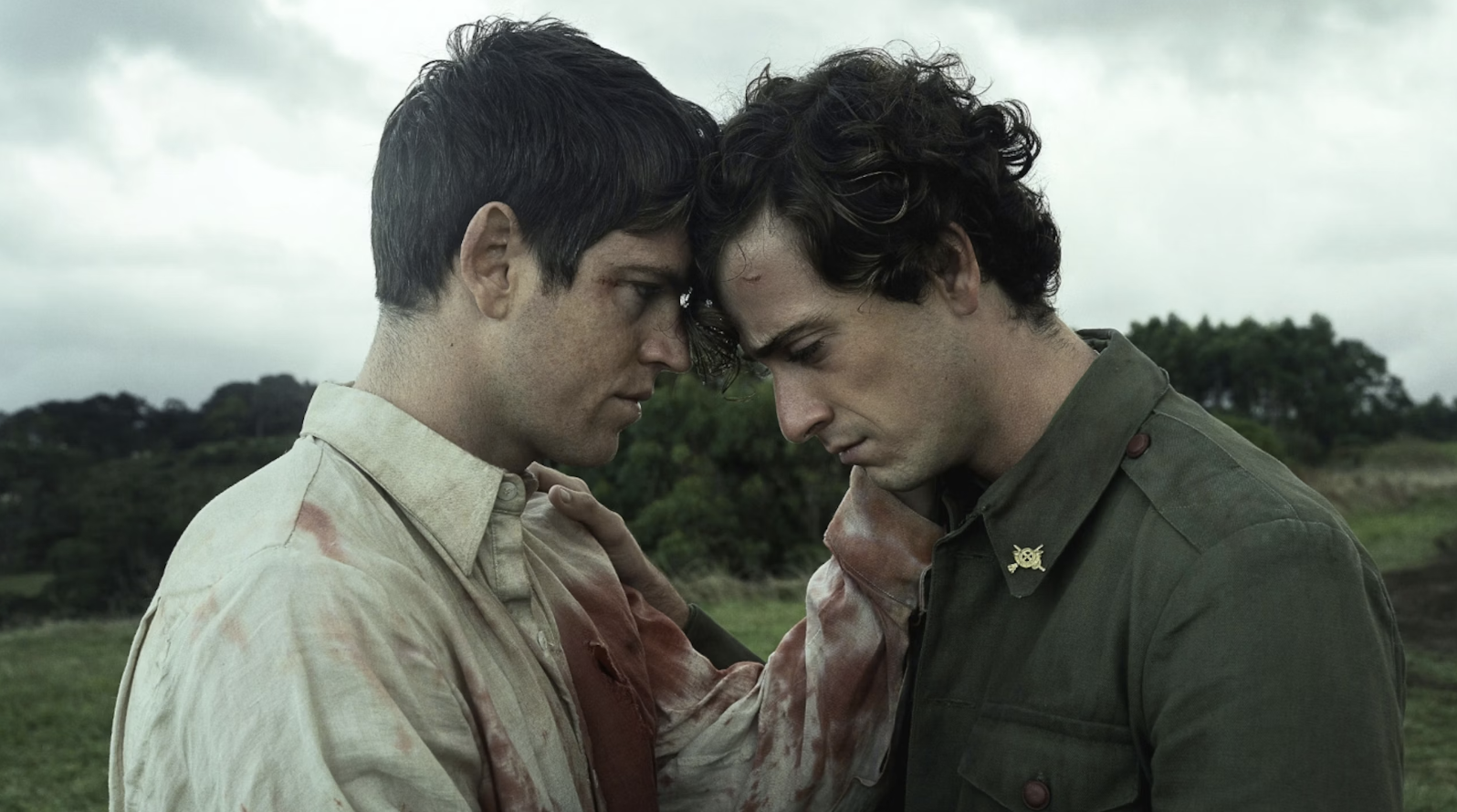
1937, in the heat of the Spanish Civil War, Sebastián, a village trumpeter-turned-Nationalist soldier, aches with a growing desire for the prisoner he is tasked with guarding.
1932, in sun-soaked Granada, young Carlos aches for the approval of his father, seeking membership of a prestigious social club, even if it means denying a fundamental truth about himself.
2017, history PhD student Alberto, in between Grindr hookups and his research on the music of Roza Eskenazi, aches to learn something, anything, about his estranged grandfather after receiving a cryptic phone call regarding his inheritance. It is a subject his mother is unwilling to discuss.
Across three narratives, these men ache for different things, yet their lives are tied together by a shared wrestling with their sense of self, underscored by Spain’s own battle over its shifting identity.
Director duo Javier Calvo and Javier Ambrossi, known collectively as Los Javis, wear their hearts on their sleeves in this sweeping historical epic. Their passion emanates from the screen, from the tender, intimate moments shared between their characters to the harrowing depictions of the oppressive violence of war and the celebration of the endurance of queer lives in the face of it.
La Bola Negra is an undeniable labour of love for Los Javis, and it shows in how meticulously they wield every tool in their cinematic arsenal to tell their story. The film’s rounded-corner framing gives the impression of looking at a moving postcard. The trumpet-charged score by Raül Refree feels wonderfully alive, blending high-energy wind instruments with melodic keys and vocals that transport us into the film’s pocket universe, working in tandem with the sumptuous visual set pieces captured by cinematographer Gris Jordana.
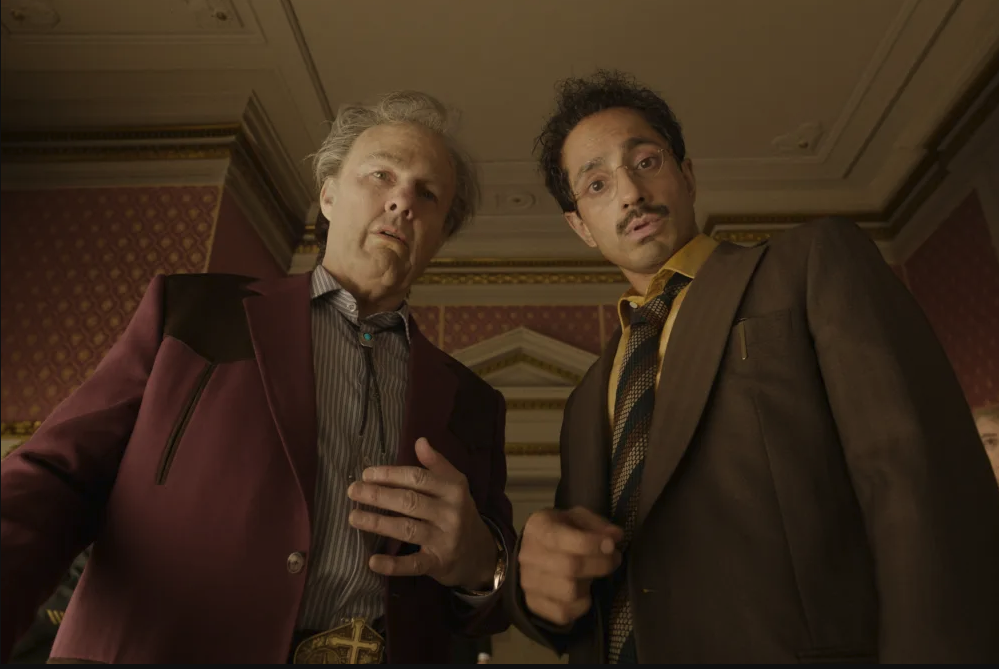
Every craft decision feels intentional, and each of the film’s three eras feels distinctly its own, anchored by a stunning cast that breathes life into its central characters. The simmering, tragic romance between Sebastián (Guitarricadelafuente) and Republican prisoner of war Rafael (Miguel Bernardeau) feels intimate and claustrophobic against the richly textured backdrop of the Civil War, whereas the segments centred on Carlos (Milo Quifes, astonishing in his first screen role) play out more like a folktale, from the elaborate staging of the social club committee’s roundtable blackball voting process to a mesmerising, fever-dream flamenco sequence at a bar. Carlos González’s subtle turn as Alberto grounds us in the present, the film’s grittier depiction of contemporary Spain and his tense interactions with his mother forcing us to consider the weight of a country’s past on the modern lives of its people.
Musician Guitarricadelafuente is particularly magnetic as the emotional centre of the film. In his first acting role, he carries his storyline with a palpable sense of yearning, pain and discovery as the certainties of Sebastián’s political and sexual identity begin to fray. It is a role that feels custom-made for him. The film also deploys its secret weapon, Penélope Cruz, sparingly but cleverly. Playing a cabaret singer entertaining the Nationalist troops, Cruz establishes a connection with Sebastián that becomes one of the film’s highlights.
At the centre of the intersecting vignettes is an unfinished play of the same title by legendary Spanish poet Federico García Lorca, of which only four pages survive. Assassinated in 1936, with both his political views and his queerness believed to have been factors in his murder, Lorca’s legacy beats like a phantom heart throughout. La Bola Negra, the film, drips with symbolism and historical subtext, woven into the words the characters say to each other and the words they are unable to say. When the film’s emotional undercurrent culminates in a metaphysical audiovisual expression of what could have been a vibrant life dulled by repression, its central themes, echoing those of Jane Schoenbrun’s queer awakening film I Saw the TV Glow, become fully crystallised and deeply felt.
The film is an ambitious endeavour, and it is a testament to the strength of the writing by Los Javis and Alberto Conejero that each of the three storylines could easily have been developed into a fully fledged film in its own right. While their integration works for the most part, there are times when certain storylines could have benefited from more breathing room. Los Javis’ desire to convey the film’s message shines through in its earnestness. However, there are moments, such as in segments featuring Glenn Close in a cameo as an expert on Lorca’s work, where the film risks overstating its message rather than trusting the stories themselves to convey it, time that could have been better spent fleshing out the relationship between Sebastián and Rafael. Such is the chemistry between the two leads that one can’t help but feel there is a connective scene missing that could have made the gut-punch conclusion to their story land with even greater impact beyond the inherent tragedy of their circumstances.
Then again, there is something to be said about how this reflects the harsh realities of queer relationships in that time and place. Afforded so much less than their heterosexual counterparts, these men have to find love in the smallest, most clandestine expressions of affection, from the fleeting brush of fingers as they sit beside each other to the intimate act of tending to a battle wound.
What parts of ourselves do we lose when we deny fundamental truths about who we are in order to survive? How many of the freedoms we take for granted today do we owe to the sacrifices of those who came before us? What does it mean to embrace the possibilities of queerness against the impsosibltiies imposed by war ? La Bola Negra beckons us to ask these questions, and does so with unapologetic boldness.
4 out of 5 stars
La Bola Negra is the perfect addition to Perth Festival’s Lotterywest Films line-up, screening under the stars at UWA’s Somerville Auditorium from Monday 30 November to Sunday 6 December 2026.
For more information and tickets, visit the Perth Festival website.